
A common weed killer. A widespread finding.
A nationally representative analysis of 2,310 urine samples from Americans age 6 and older found glyphosate with a weighted detection frequency of 81.2%. Samples were collected in 2013–2014.
Source 1Your water bottle. Your commute. Your everyday routine. Take a closer look at potential exposures—and start asking better questions about cellular health.
Discover my P#Explore the productsAn educational quiz about everyday habits.
 Hi, I’m Angel. Let’s get curious.
Seventy-two?! Immediately, my brain went shopping.
Do I need all-cotton clothes? Replace every plastic container in my kitchen? Rethink my bug spray? HOW much is this going to cost?!
Okay, Angel. Breathe.
Replacing everything overnight isn’t realistic for me. But paying attention? Making a few practical changes? Finding a simple wellness habit I can actually keep? THAT I can do.
The quiz didn’t measure damage inside my body. It made me notice things I’d been overlooking.
And alongside making those changes, I take Protandim Nrf2 to support my body’s natural antioxidant defenses.*
For me, it’s a simple, manageable investment in my daily wellness—and one of the easiest habits I’ve ever kept.
Subscription price, before shipping and tax.
Your daily habits are a good place to start exploring potential environmental exposures.
Take the quizA nationally representative analysis of 2,310 urine samples from Americans age 6 and older found glyphosate with a weighted detection frequency of 81.2%. Samples were collected in 2013–2014.
Source 1An estimated 4.9 million deaths worldwide in 2023 were attributed to long-term exposure to outdoor fine-particle air pollution (PM₂.₅), according to State of Global Air 2025.
Source 2Researchers reported micro- and nanoplastics in all 52 frontal-cortex samples in their 2016/2024 autopsy comparison (28 from 2016; 24 from 2024), published in Nature Medicine in 2025.
52 study samples—not a survey of everyone’s brain. This does not establish that plastics caused illness.
Source 3A separate 2025 autopsy study detected synthetic and semi-synthetic polymer particles in all seven tissues examined: brain, thyroid, kidney, liver, heart, lung, and skeletal muscle.
A single-donor case study—not a population detection rate. The highest reported count was in the thyroid: 40.4 particles per gram of wet tissue.
Source 4The reported median micro- and nanoplastic concentration in the 2024 frontal-cortex samples was 4,917 micrograms per gram of wet tissue, compared with 3,345 in the 2016 samples—about 47% higher. These were different people sampled in different years, not a measurement of change within the same individuals.
The research also included older brain-bank samples and a separate dementia group. The headline above refers specifically to the 52-sample 2016/2024 comparison. The study does not show that microplastics caused dementia or that an individual’s P# measures plastic in their brain.
An Source 5 addressed figures and supplementary methods. Read the corrected publication and its limitations when exploring the results.
You don’t have to replace everything overnight. Start by noticing a few familiar habits—and one small change you could make.
In a 2023 laboratory study, some tested plastic containers released up to 4.22 million microplastic particles and 2.11 billion nanoplastic particles per square centimeter after three minutes of microwave heating.
Results depended on the tested container and conditions. This is not a count for every meal or proof of harm from a particular serving.
Try microwave-safe glass or ceramic. A correctly used microwave is generally safe; it doesn’t make food radioactive.
Endocrine-disrupting chemicals can mimic or interfere with hormone actions. They can be found in some plastic containers, cosmetics, detergents, pesticides, and food-can linings.
A product category alone doesn’t tell you its ingredients, your exposure, or your health risk.
Take a second look at labels and how you use products. Follow directions and make manageable swaps when appropriate.
In the 2016 HERMOSA study, 100 Latina teenage girls used personal-care products labeled without selected chemicals for three days. One urinary phthalate marker fell 27.4% on average.
Some other markers fell, while others did not. Researchers measured exposure markers—not better health or balanced hormones.
Start with one personal-care product you use regularly. Learn what’s in it before deciding whether to make a change.
Explore your everyday habits with the P# quiz. It’s a starting point for awareness and conversation.

I know what it means
to start over.
There was a chapter when I was raising my family with help from food stamps and living in an apartment that cost me $17 a month.
That experience shaped the way I see people, possibility, and the power of having someone believe in you. Building a business opened a new chapter in my life. Today, I love helping people learn, grow, and explore what could come next for them.
But my life is bigger than business. It’s faith. It’s my family and grandbabies. It’s a house full of dogs, a day on the water, and the people I get to love along the way.
I’m still learning. Still growing. And always happy to have a real conversation.
Start with the product in my personal routine. Explore the research, ask your questions, and decide what fits you.
A botanical supplement designed to support the body’s natural antioxidant defenses.* This is the “one pill a day” in my story.
Curious about how it works? Start with our research explanation below, or request the recorded conversation with a cardiologist.
Adults take one caplet daily with food. Follow the product label and discuss suitability with your healthcare professional.
$60.29 / monthU.S. subscription price, before applicable shipping and tax.
Visit my LifeVantage shopWant to understand Nrf1, NAD+, the TriSynergizer collection, collagen, or gut health? Tell me what you want to learn, and we’ll explore the product information together.
Let’s explore my optionsIndependent LifeVantage consultant. I may earn from purchases through me. Product and research notes*
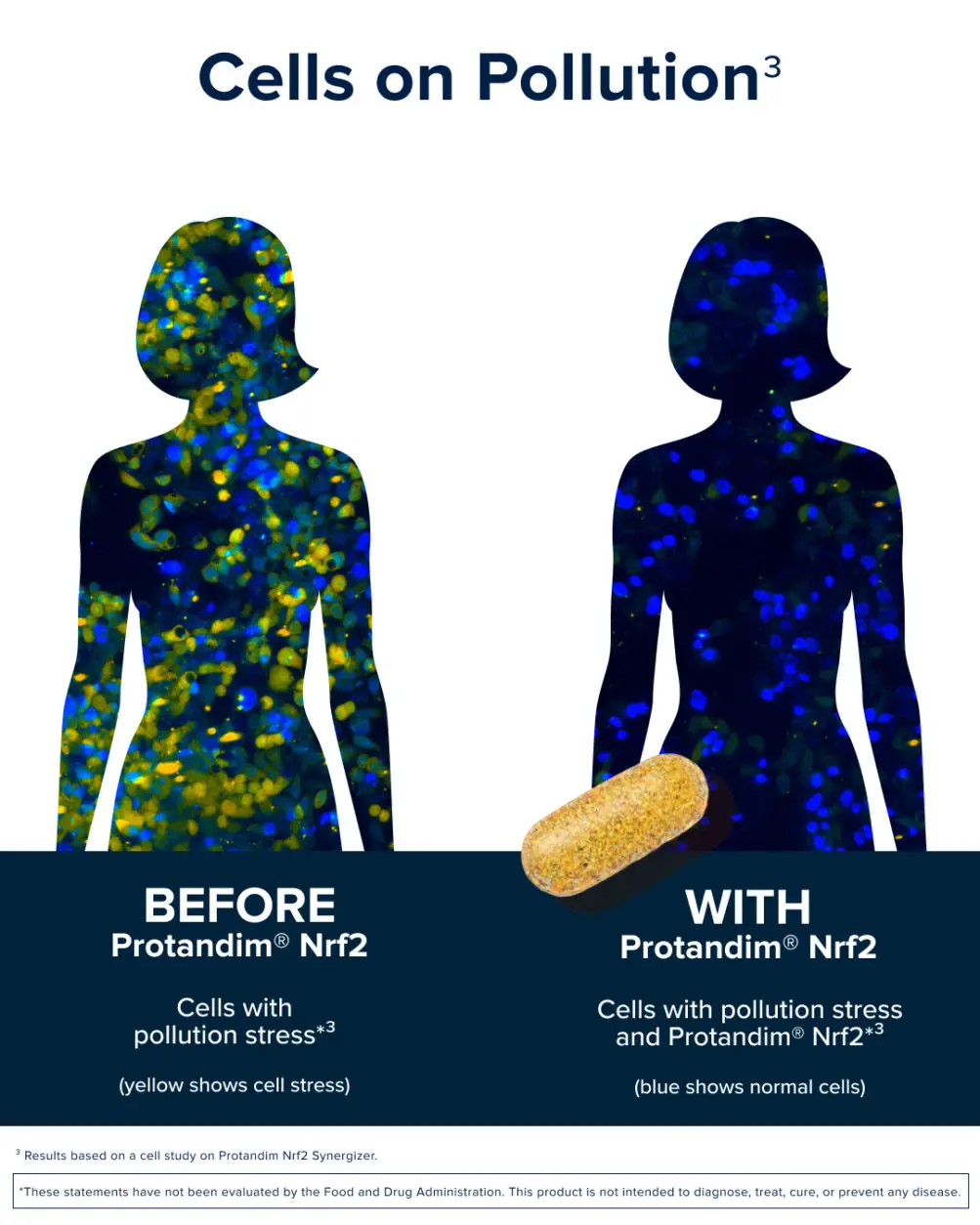
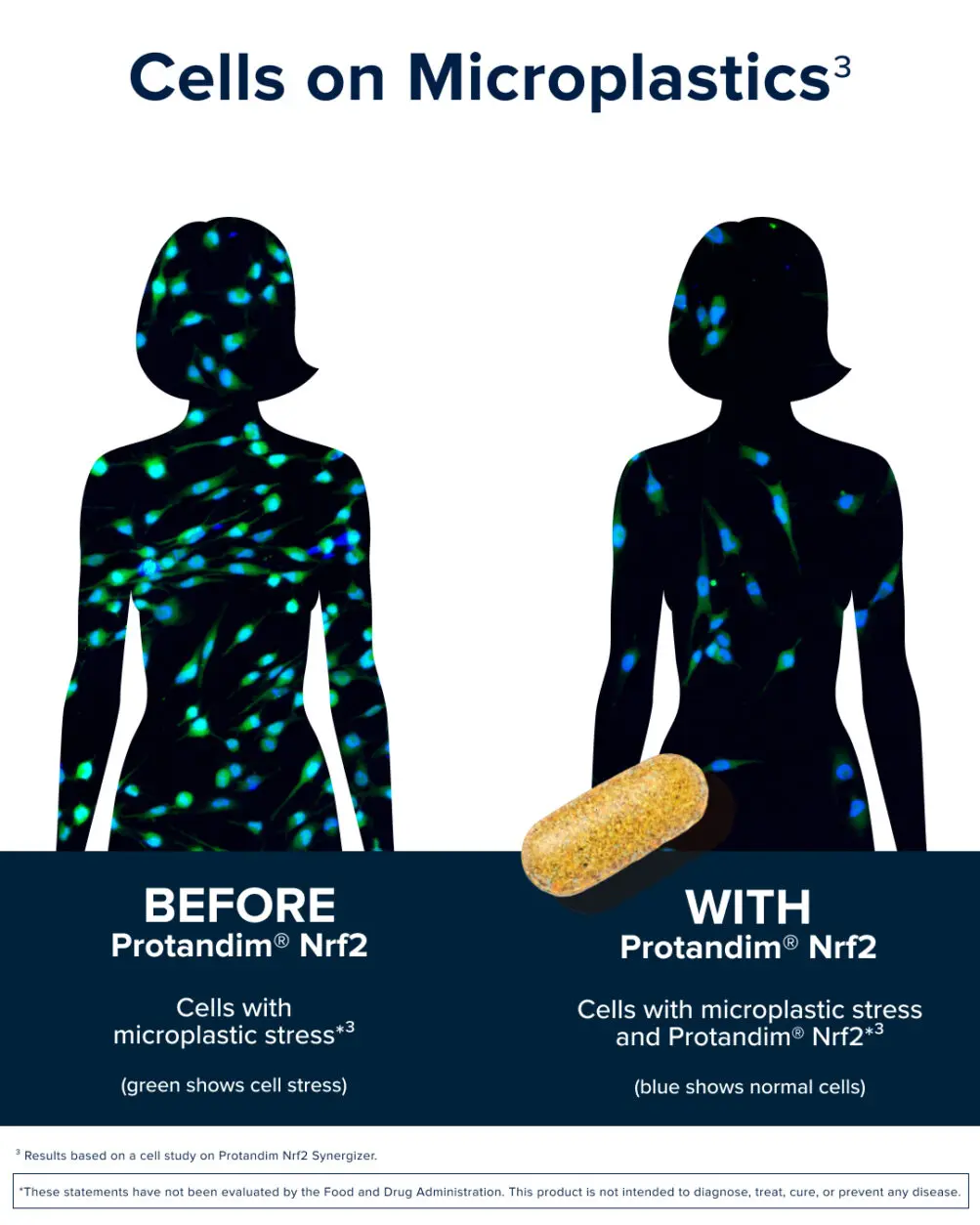
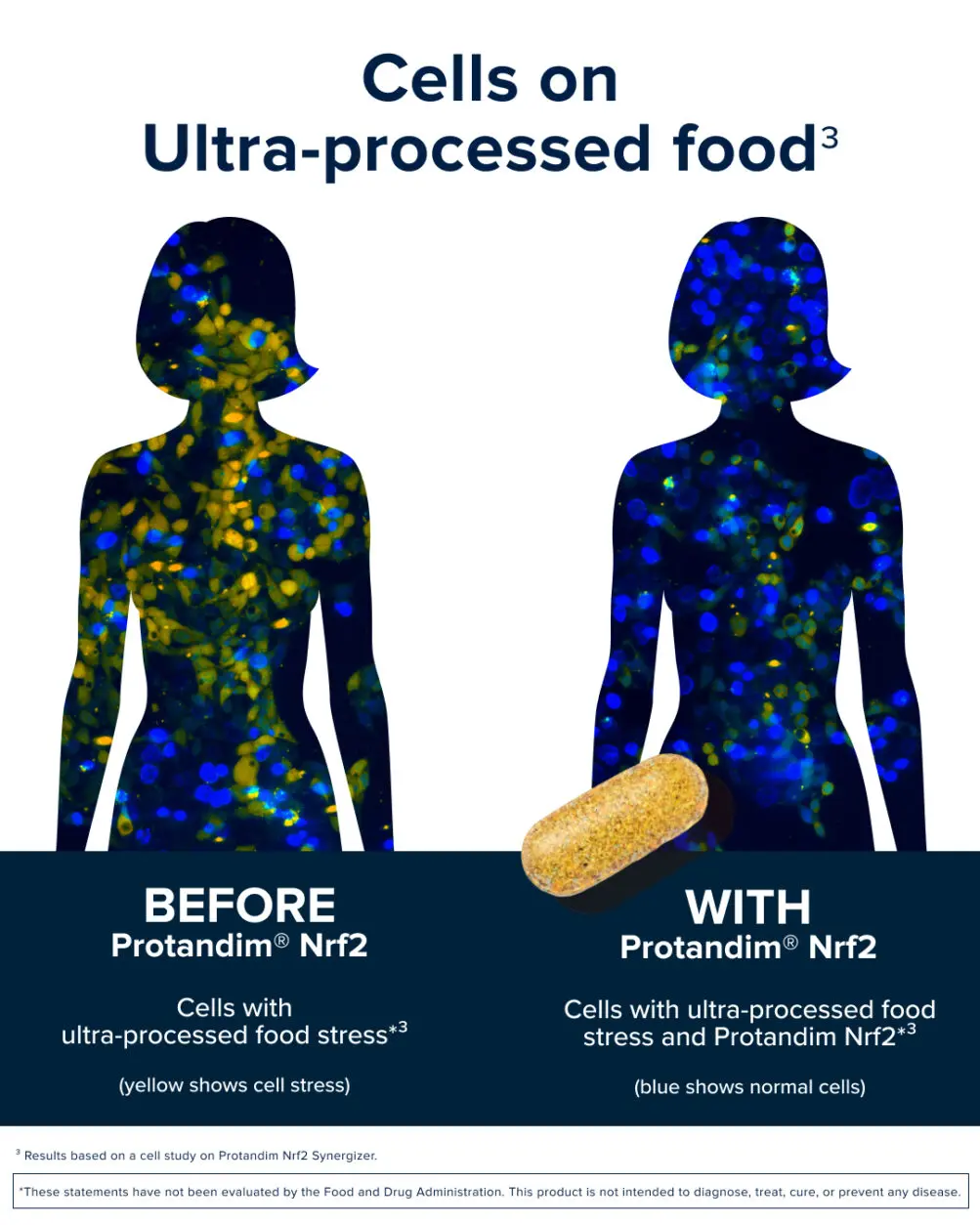
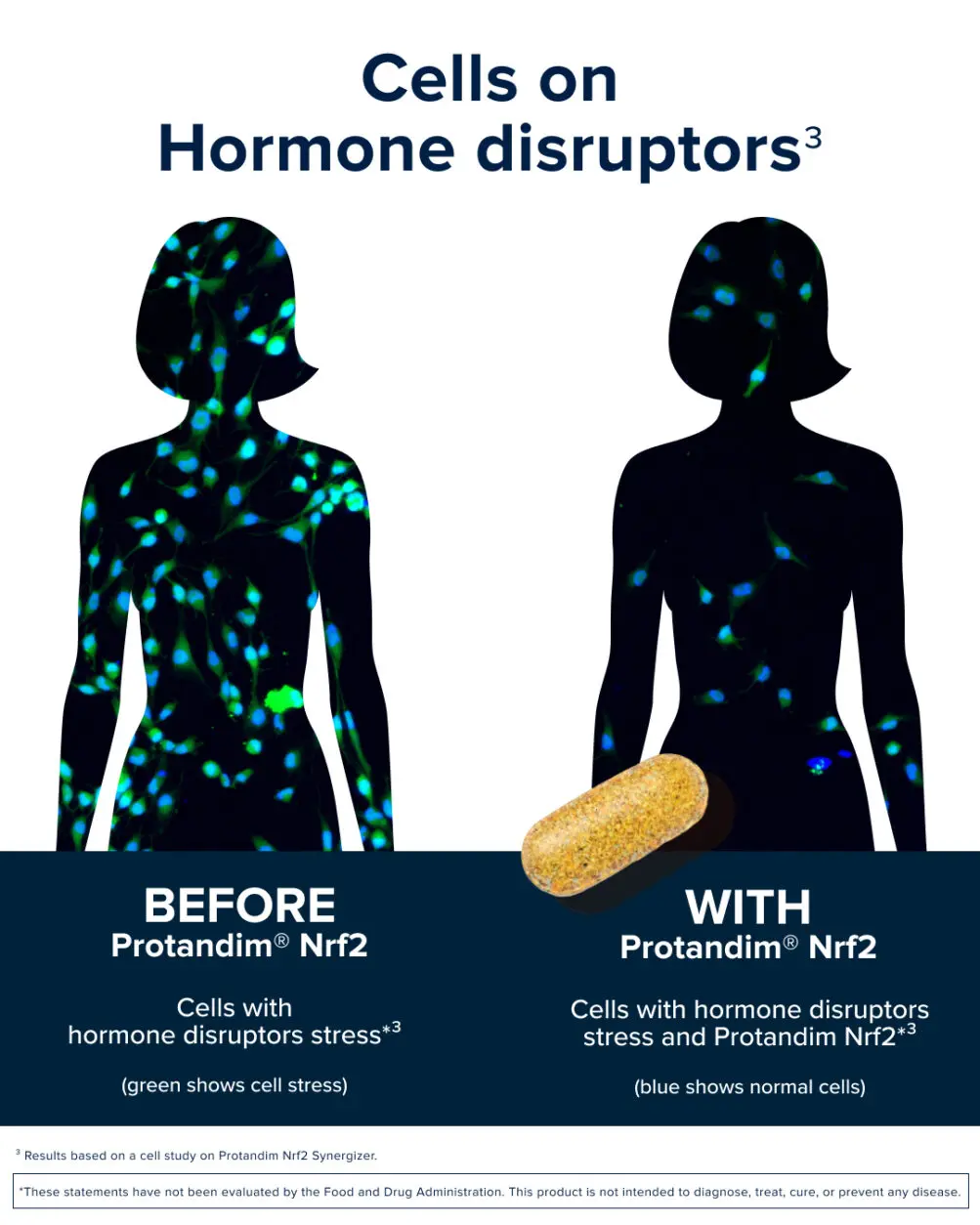
A LifeVantage-sponsored laboratory study tested cell models of liver, skin, and intestinal tissue exposed to selected environmental stressors. The report describes reduced oxidative-stress fluorescence after adding Protandim Nrf2 Synergizer. The green signal indicates oxidative stress in the assay—not the toxins themselves.
A little curiosity is a good place to start. Choose the conversation that feels right for you.
 WELLNESS / START WITH YOUR P#
I’m passionate about understanding how our bodies work and building habits that support everyday well-being. Let’s talk about what you’d like to learn and the questions you’re asking.
Take my exposure quiz COMMUNITY / MADE 4 MORE
Looking for community, support, or a conversation about the business opportunity? Meet MADE 4 MORE Collective—our dedicated home for exploring those possibilities.
Explore MADE 4 MORE CollectiveChoose the recorded conversation you’d like to explore. Request a replay from me, and we can talk through your questions together.
A cardiologist explains his perspective on oxidative stress, the body’s antioxidant systems, and what sparked his interest in Protandim.
Request this replayDr. Erin Greer shares her personal and professional perspective, what drew her to the research, and her experience with LifeVantage.
Request this replayA cardiologist discusses the publications that prompted him to investigate Protandim and the questions he brought to the science.
Request this replayI want to live stronger, love my people well, and keep making room for what’s possible.
FAITH. FAMILY. A LIFE WITH PURPOSE.
Everyday exposure and cellular health, explained with source links and statistics in context.
Average decrease in one urinary phthalate marker after a 3-day product swap in a 2016 study.
Three cell models and five tested stressors in a sponsored laboratory study.
Weighted glyphosate detection frequency in U.S. urine samples collected in 2013–2014—not a measure of cellular damage.
Have questions about your P#, cellular health, or the products? Pick an available time below. Calendly will show the meeting details and ask for your contact information when you book.
Prefer to open the booking page directly?Want a replay? Choose the conversation below and send me your request. You can also share your P#, ask about products, or simply say hello.
angelfletcherofficial@gmail.com